
➜ Lawn Care
LAWN CARE IN Sauk Rapids, MN
The University of Minnesota recommends mowing cool-season turf at 3 inches or higher, because taller blades shade out the weed seed and drive roots deeper. Complete Yard Care Company builds lawn care in Sauk Rapids, MN around that height, with set rotations, sharp blades and the clippings returned, on residential and commercial properties from Foley through St. Cloud and Sartell.
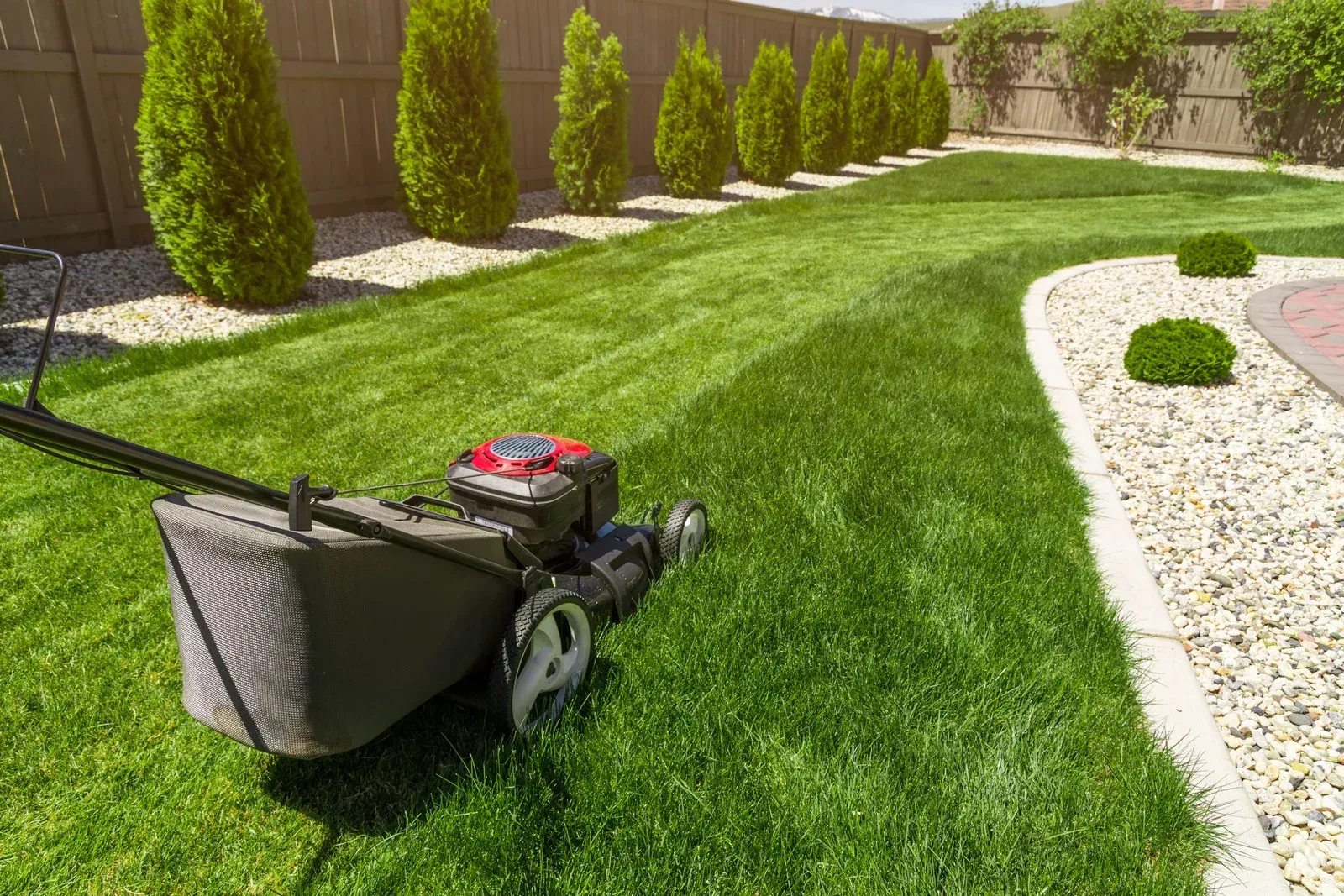
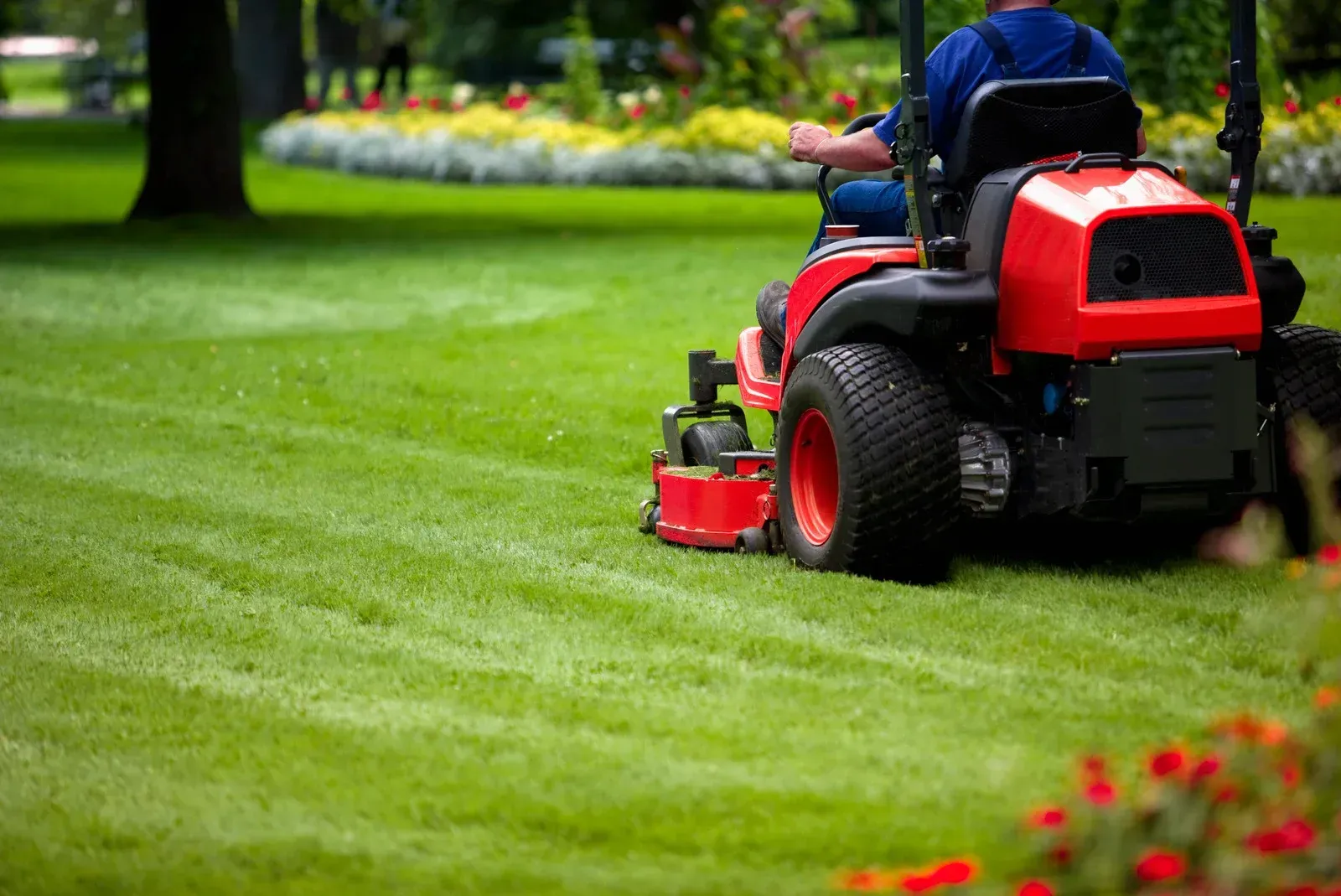
A CUT HEIGHT IS A DECISION, NOT A SETTING.
Most lawns here are scalped every summer by somebody in a hurry. Drop turf to 2 inches in July and you hand the weed seed bank full sunlight, cook the crown, and force roots shallow right as the soil dries out. We set the deck high, sharpen weekly, and change direction each visit so blades stand instead of laying over in ruts.
That single habit does more for a lawn than any bag of product. Thick turf crowds out crabgrass on its own, holds color through a dry August, and needs less water to stay green.
- Decks set at 3 inches or higher
- Blades sharpened on a weekly cycle
- Mowing pattern rotated every visit
- Clippings mulched back into the turf
➜ LAWN CARE
A GREEN LAWN IN AUGUST IS BUILT IN MAY.
Turf that struggles in late summer was usually mismanaged in spring. Fertilizer pushed too early feeds top growth instead of roots, and a lawn full of leaf and no depth wilts the first week the rain stops. We time feeding to what the grass is doing, keep the mow height up so the crown stays shaded, and water deeply rather than daily. The result is a lawn that carries itself through the hot stretch.
SANDY LOTS AND CLAY LOTS NEED DIFFERENT ANSWERS.
The ground along the Mississippi here runs to sand, and it drains almost as fast as you water it. Two miles east the same subdivision sits on glacial clay that stays soggy for days. A single watering schedule cannot serve both. We check what your soil actually is, adjust irrigation run times and feeding accordingly, and aerate the clay lots where compaction is choking the root zone.
WE HAVE MOWED THROUGH 20 CENTRAL MINNESOTA SUMMERS.
20 years on the same routes teaches you which streets flood after a storm, which yards hold frost until noon in October, and which lawns have irrigation heads sitting proud of the grade. That knowledge shows up as fewer surprises: no chewed sprinkler heads, no ruts across the soft corner, no missed week because the schedule was built by a stranger. Would you rather explain your yard every spring, or have it already known?
WHAT A PROPERLY CUT LAWN GIVES BACK
FEWER WEEDS WITHOUT MORE CHEMICAL
Tall, dense turf blocks the sunlight crabgrass and dandelion seed need to germinate. Mowing height alone suppresses a large share of what most people spray for every year.
LESS WATER, SAME COLOR
Deeper roots reach moisture that shallow turf never touches. Your lawn stays green further into a dry stretch and your irrigation runs fewer minutes to get there.
FREE FERTILIZER EVERY WEEK
Clippings left on the lawn break down and return roughly one full fertilizer application over a season. That is nitrogen you already paid for, going back into the soil.
A LAWN THAT RECOVERS FAST
Grass cut by the one-third rule loses very little leaf tissue at a time, so it never enters the stress cycle that follows a hard scalping. Recovery takes days, not weeks.
NO RUTS AND NO SCALPED CORNERS
Rotating direction and keeping the deck high protects soft ground and high spots alike. Your turf keeps a uniform surface instead of tracked lines and bald crowns.
ONE LESS SATURDAY SPENT MOWING
Weekends get shorter every year. Handing off the rotation buys back the hours, and the lawn ends up looking better than it did when you were doing it yourself.
➜ WHAT WE MOW
OUR LAWN CARE WORK
Twelve services share one schedule here, but the mowing route is the backbone of it. These are the pieces we handle on a recurring visit, for lawns of every size and shape.
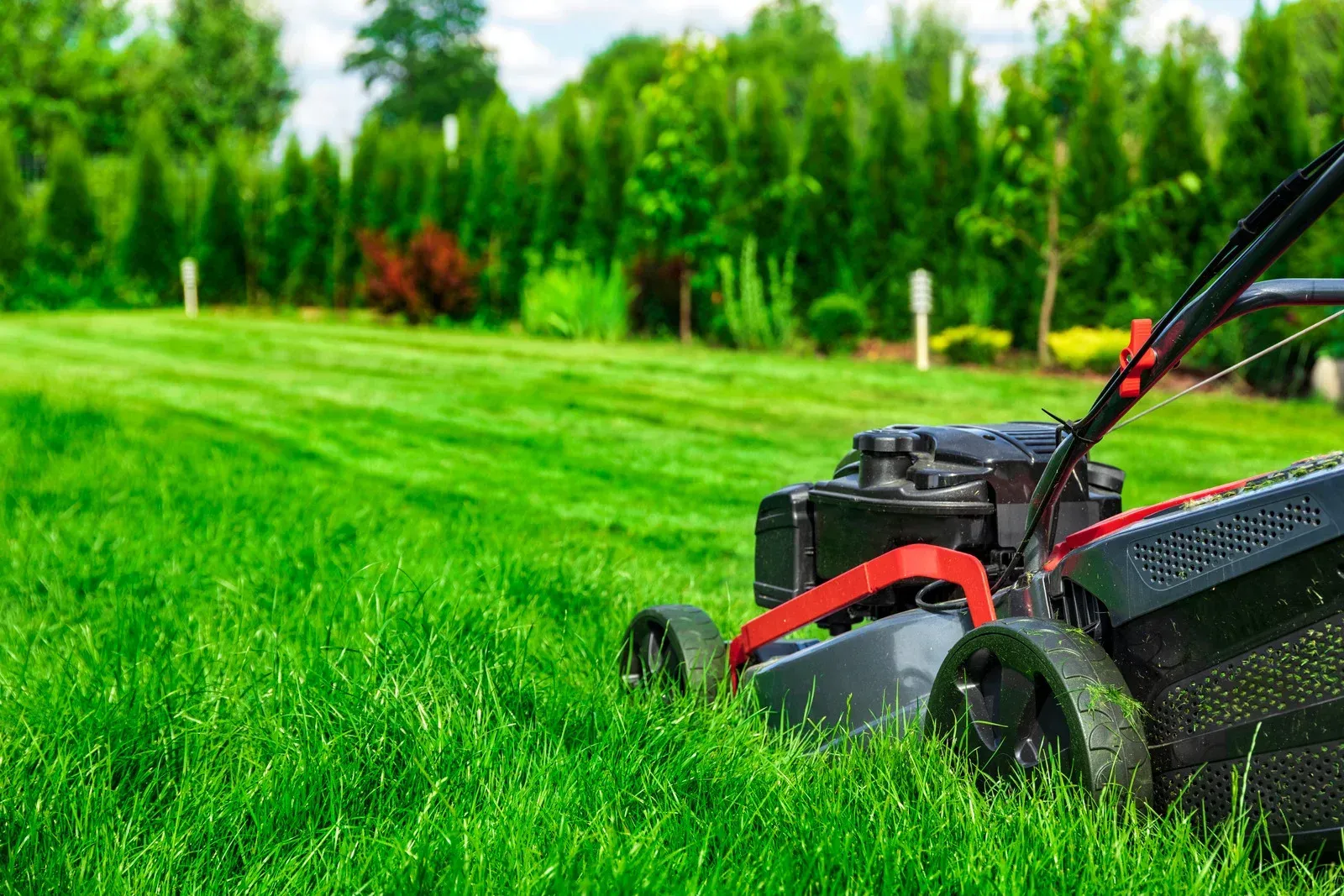
WEEKLY ROUTE
Scheduled Mowing
Weekly, biweekly or monthly rotations, held to the same day so you can plan around it. Height stays at 3 inches or above, and we skip or shift a visit rather than cut turf that is dormant or soaked.

CLEAN LINES
Edging And Trimming
Walks, drives, curbs and bed lines get a hard edge every visit, and string trimming reaches everything a deck cannot. Fences, posts, mailboxes and tree rings finish clean instead of shaggy.
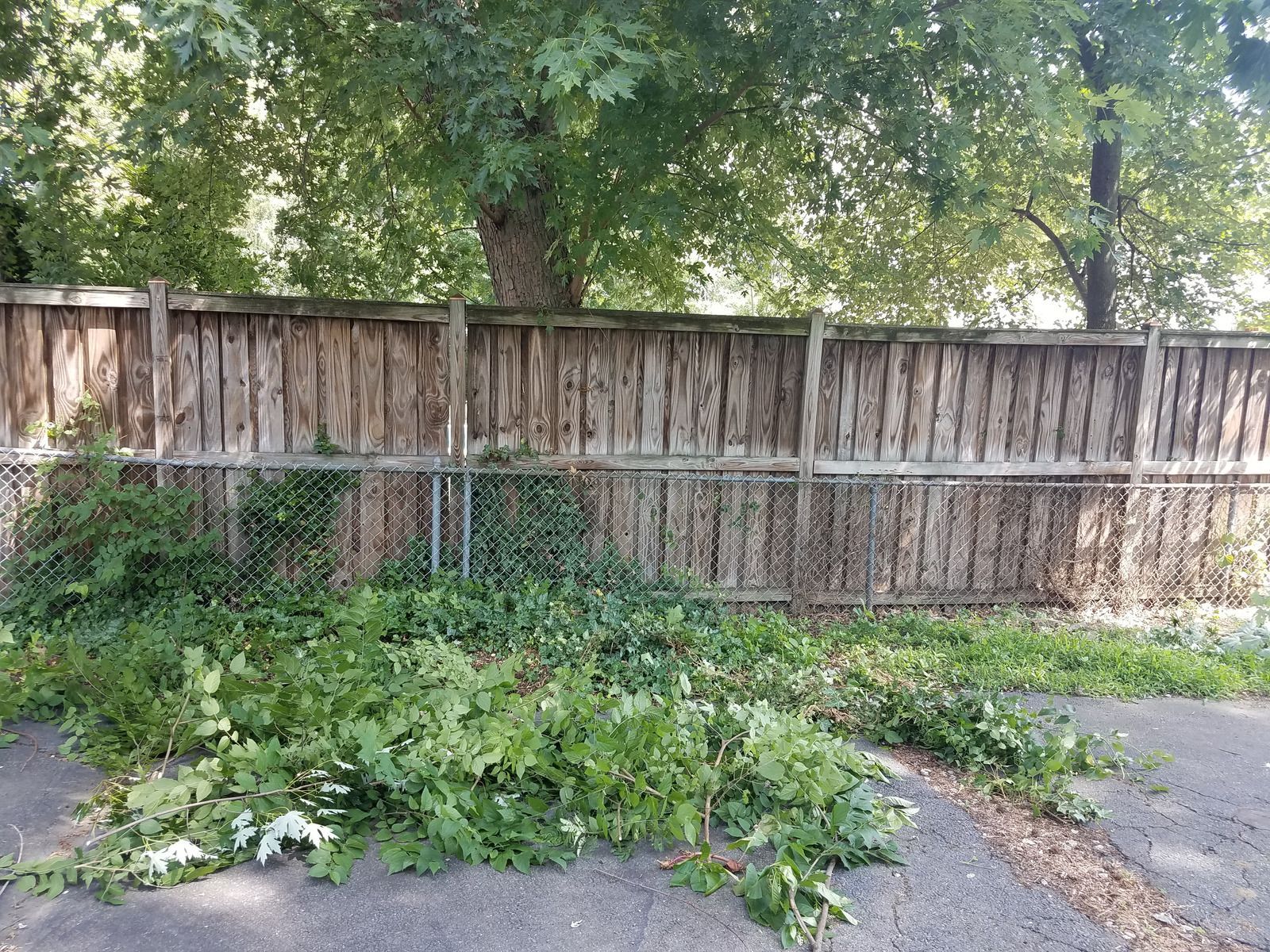
BLOW DOWN
Debris Blowing
Clippings come off every hard surface before we leave, including the drive, the walk and the patio. Blowing back onto turf rather than into the street keeps nutrients on your lawn and out of storm drains.

FEED
Fertilization
Applications timed to the growing season rather than the calendar, so nitrogen arrives when roots can use it. Fall feeding matters most in this climate and does more for spring color than anything applied in April.
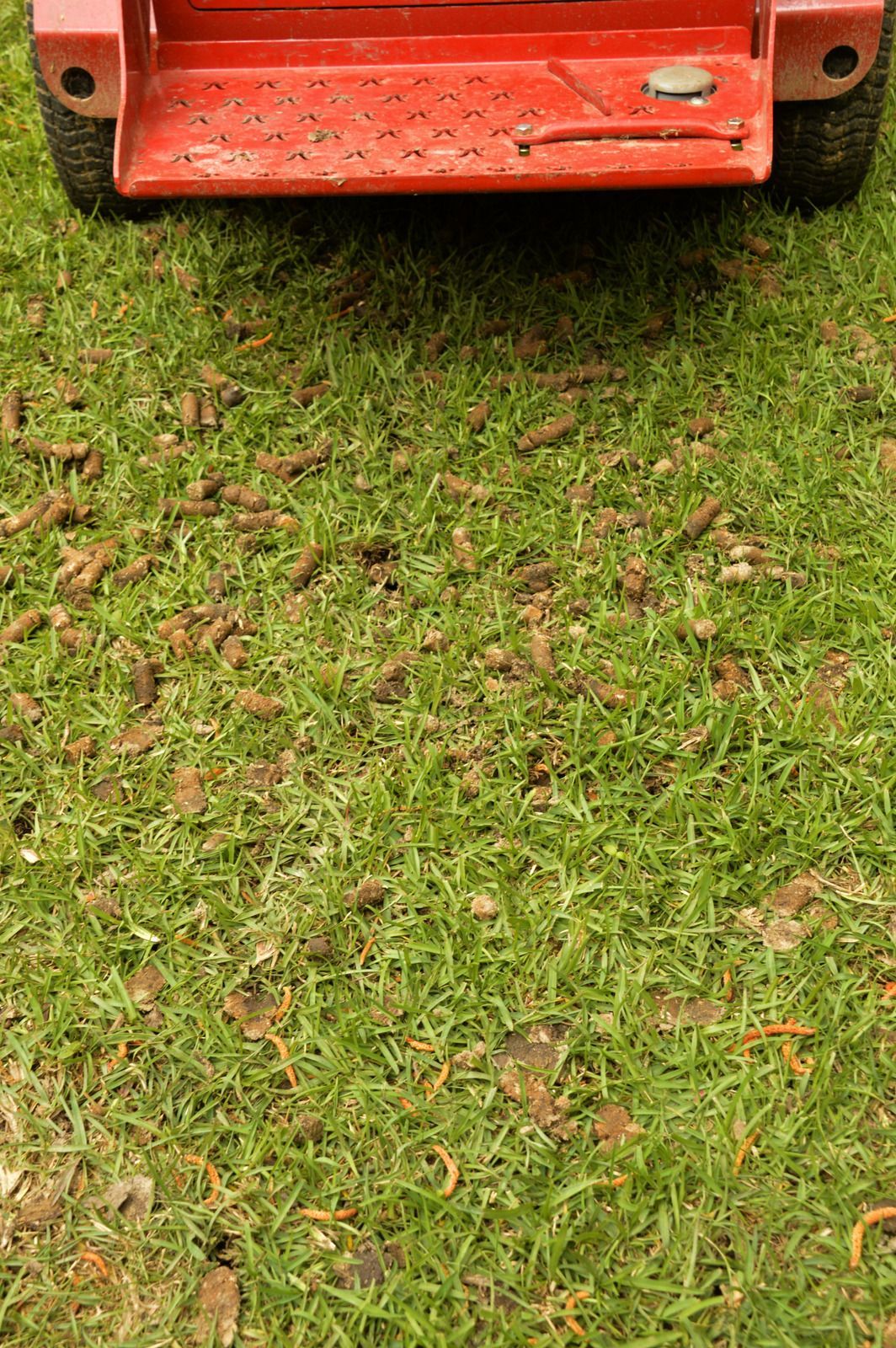
BREATHE
Core Aeration
Pulled plugs open compacted clay and heavy-traffic areas so water, air and fertilizer reach the root zone. Best paired with overseeding, and best done when the soil is moist rather than baked.
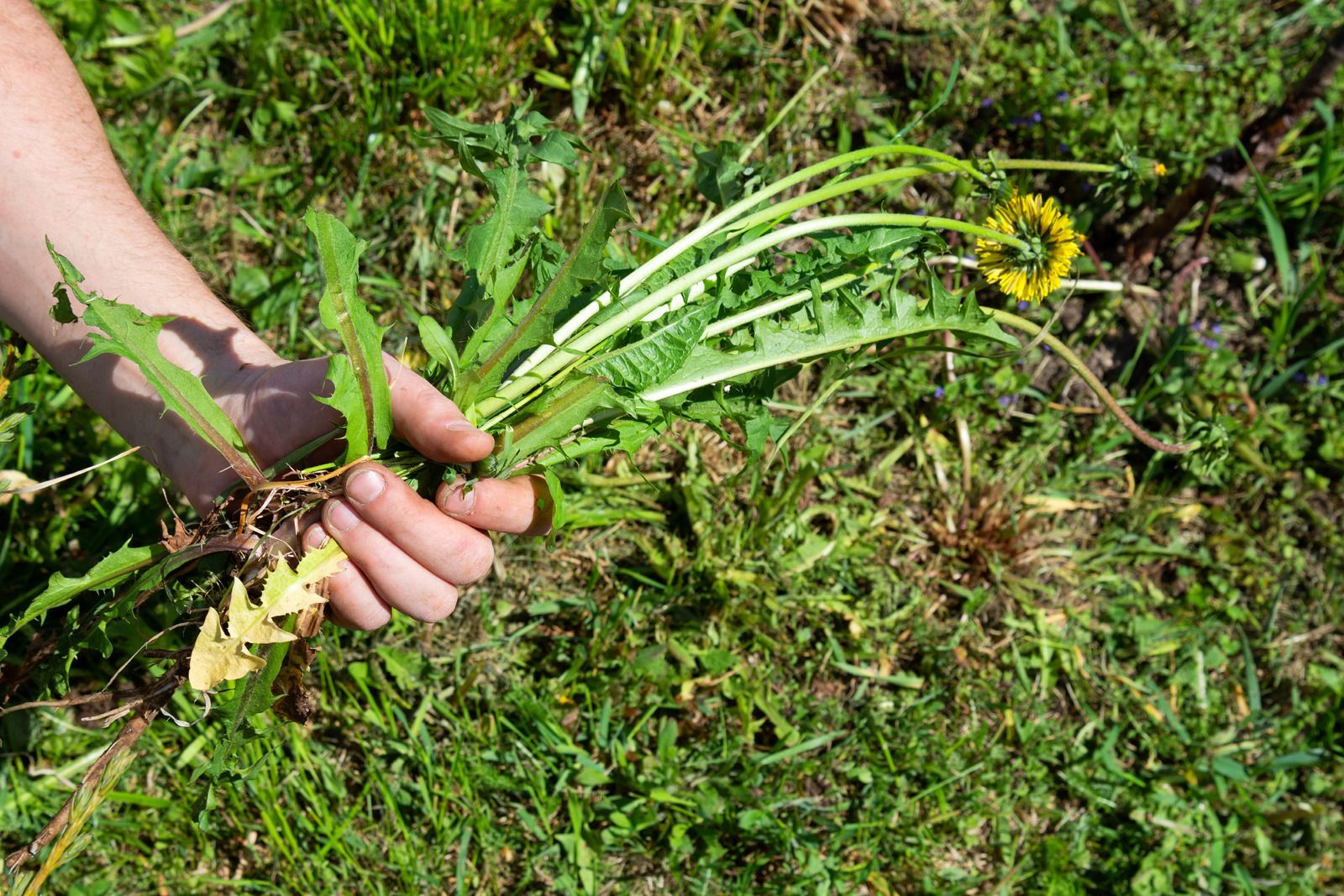
KNOCK BACK
Weed Control
Broadleaf treatment placed where it is actually needed instead of blanketed across a healthy lawn. Combined with a high cut height, most properties need far less product than they are used to buying.
➜ Common Questions
FREQUENTLY ASKED QUESTIONS.
Straight answers to what homeowners ask us about mowing, watering and feeding a lawn in this climate. Send anything we have missed through the contact page.
How often should I mow my lawn in Minnesota?
Roughly weekly through May and June, then stretching toward every 10 days as growth slows in the heat of high summer. Frequency should follow the one-third rule rather than the calendar, so a fast-growing spring week may well need two cuts.
What height should grass be cut in Minnesota?
Three inches or higher for Kentucky bluegrass and fescue blends, which covers almost every established lawn in this part of the state. Taller turf shades the soil, suppresses weed germination and grows deeper roots that carry it through dry weather.
Should I bag or mulch my grass clippings?
Mulch them. Clippings are mostly water and break down within days, returning the equivalent of about one full fertilizer application over a season. Bag them only when growth got away from you and the wet clumps would smother the turf underneath.
How much should I water my lawn?
About an inch a week including rainfall, delivered in one or two long soakings rather than a series of short daily sprinkles. Deep infrequent watering pushes roots down, while light daily watering keeps them sitting near the surface.
When is the best time to water grass?
Early morning, somewhere between roughly 4 and 9 a.m. Blades dry quickly once the sun comes up, which limits disease pressure, and there is far less evaporation loss than watering at midday in an open, unshaded yard. Avoid watering in the evening.
Why is my lawn turning brown in summer?
Cool-season grass goes dormant to survive heat and drought, and it usually greens back up on its own once steady rain returns. Brown patches with defined edges, though, point to disease, grubs or a broken irrigation zone instead.
When should I fertilize my lawn in Minnesota?
Late summer and fall applications do the most good in this climate, because the grass is putting its energy into roots rather than blades. A light spring feeding is fine, but heavy early nitrogen mostly buys you extra mowing.
Do you mow commercial properties too?
Yes. Complete Yard Care Company maintains offices, rentals and commercial lots throughout Sauk Rapids, MN on contracted rotations, with all of the trimming, edging and cleanup scheduled around the hours your building actually operates for staff and customers.
➜ HOW WE WORK
FROM FIRST WALK TO STANDING ROTATION, HERE IS HOW.
STEP 01
Walk The Property With You
We look at the whole lot before quoting anything: soil type, slope, irrigation heads, tight corners, gates, pets and the spots that always seem to struggle. What we notice on that first walk shapes the schedule we build.
STEP 02
Set The Rotation And Height
You pick weekly, biweekly or monthly, and we lock in a service day. Cut height gets set for your turf type and then adjusted seasonally, higher through the summer heat and slightly lower for the final cut.
STEP 03
Mark What The Mower Must Miss
Sprinkler heads, invisible fence lines, septic lids, young trees and landscape lighting all get noted before the very first visit. Marking them once prevents the repair calls that always seem to follow a single careless pass.
STEP 04
Mow, Edge, Trim And Blow
Every visit follows the same order so that nothing gets skipped. Deck at height, pattern rotated, hard edges cut, string trimming around every obstacle, then all of the hard surfaces blown clean toward the turf.
STEP 05
Adjust As The Season Turns
Growth rates swing hard between June and August in this climate. We stretch or tighten the interval, raise the deck through the heat, and add aeration or feeding at the point the lawn tells us it needs it.
STEP 06
Close Out The Season Right
The final cuts come down slightly to reduce the risk of snow mold, leaves get cleared off the turf entirely, and anything our winter crew needs to know about the property gets handed straight over.
➜ GET YOUR FREE ESTIMATE
TELL US ABOUT YOUR LAWN, AND WE WILL PRICE IT, FREE.
Send us the address and roughly what you want handled. We will walk the property, measure the turf, and come back with a rotation and a number, with no obligation attached to any of it.
WHAT YOUR LAWN CARE QUOTE COVERS:
- Measured turf area, not a guess
- Rotation options with a fixed service day
- Cut height set for your grass type
- Edging, trimming and blowing included
- Optional aeration and feeding priced separately
- A written estimate at no cost