
➜ Irrigation
Irrigation IN Sauk Rapids, MN
Water expands roughly 9 percent as it freezes, which is enough force to split a buried lateral or crack a brass backflow body over one November night. Complete Yard Care Company installs and services irrigation in Sauk Rapids, MN with that November in mind, covering new systems, zone repairs and fall blowouts on properties across Foley, St. Cloud and Sartell.
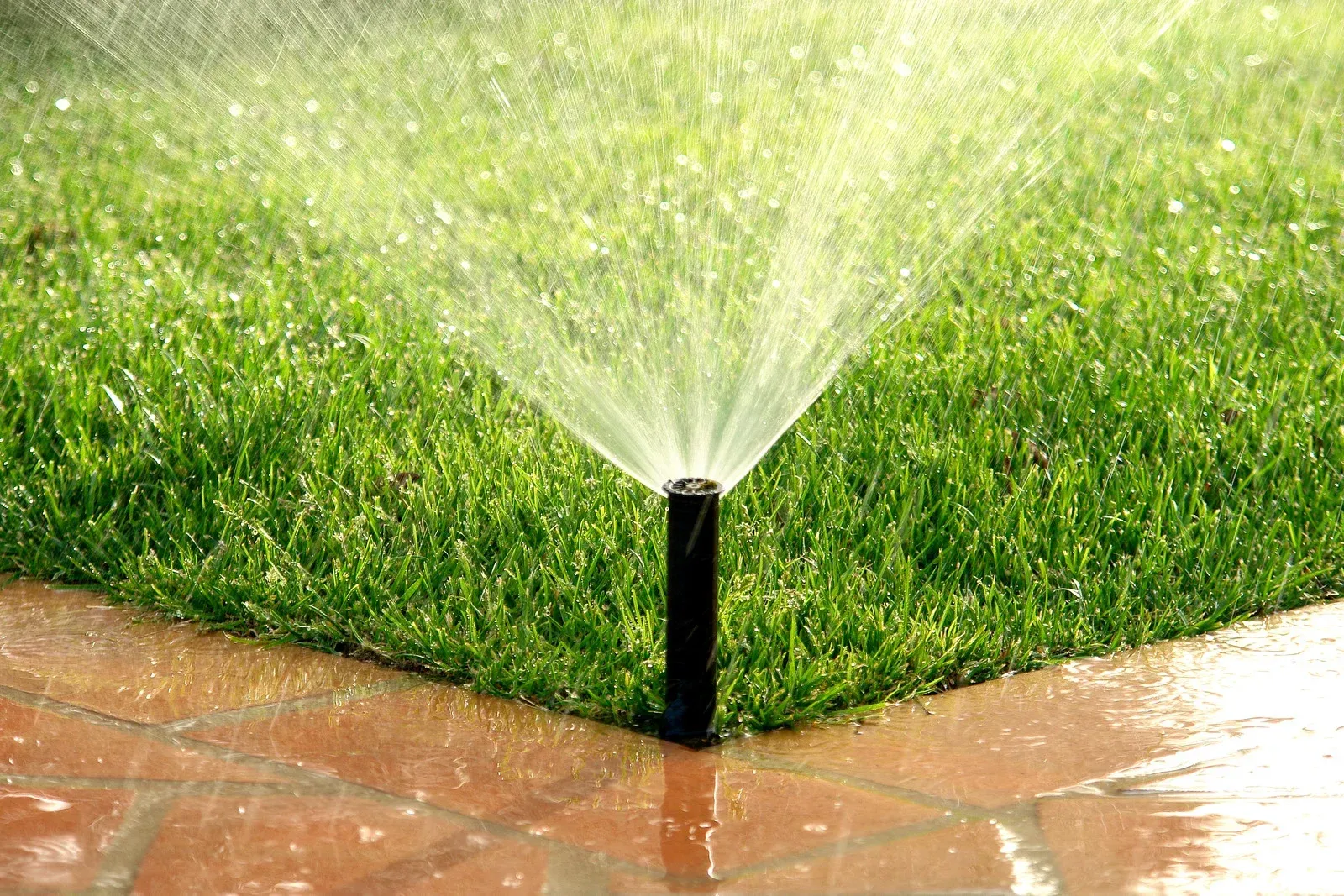
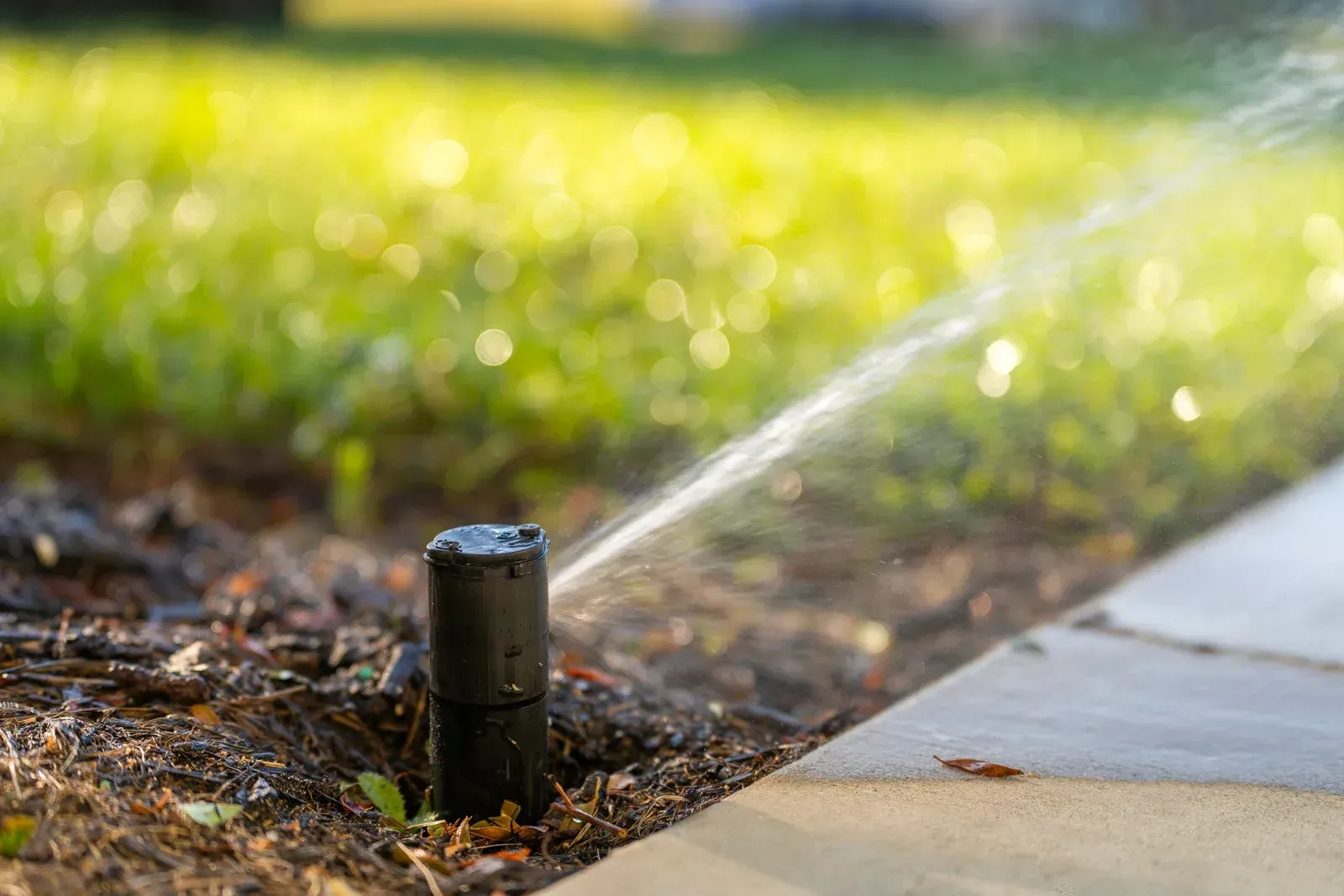
SPRINKLERS ARE A WATER BILL WITH A TIMER.
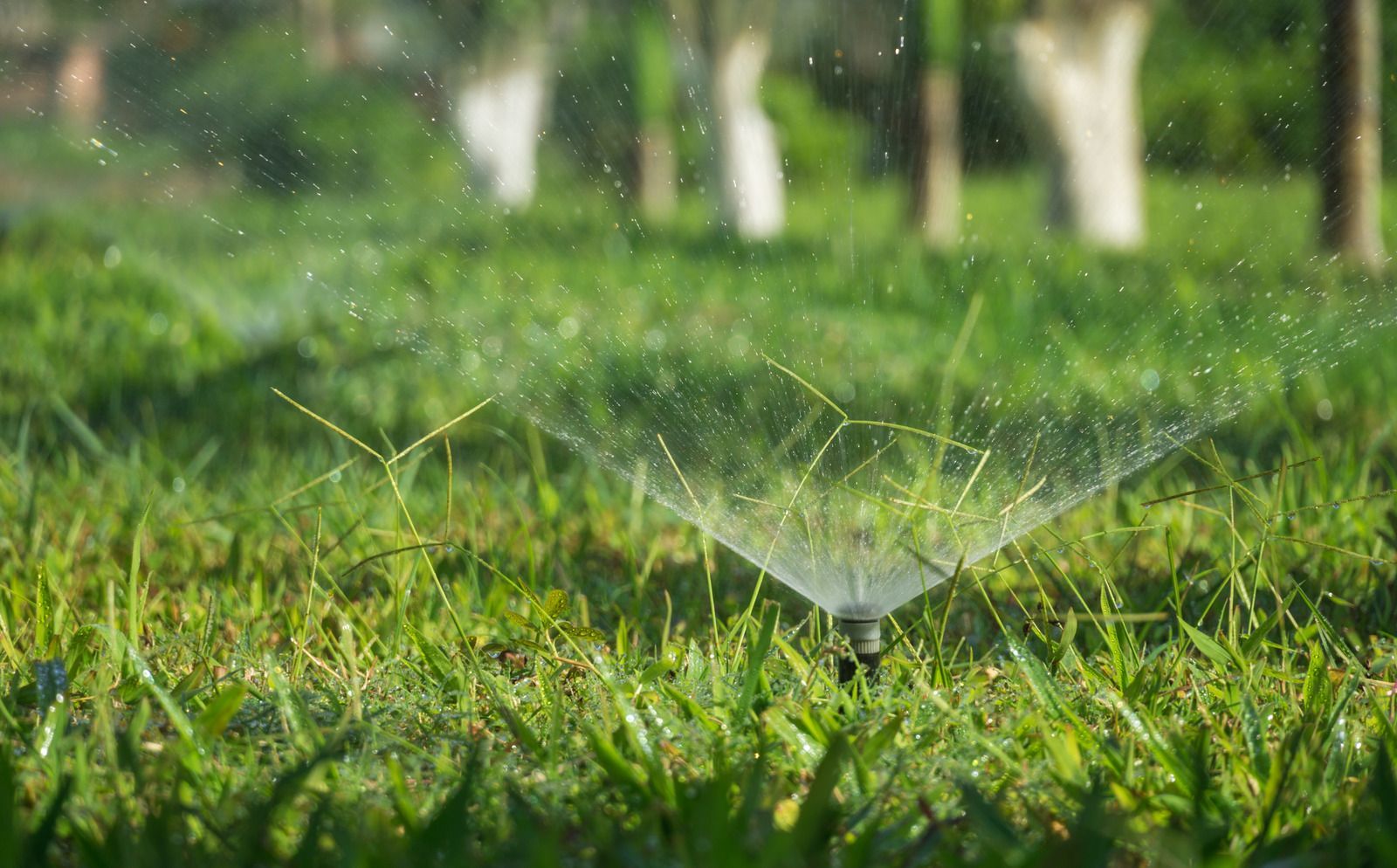
Every design decision on an irrigation system shows up on a utility statement. Heads spaced too far apart get compensated for by running zones longer, which soaks the strong areas to keep the weak ones alive. Nozzles throwing onto driveways water concrete. Controllers left on a fixed spring schedule keep running through a rainy August. We design for head-to-head coverage first, then set run times to what the soil can actually absorb.
The result is a lawn watered evenly on noticeably fewer gallons, which matters a little more with every year that our summers run dry straight through into September.
- Head-to-head coverage on every zone
- Nozzles trimmed off hard surfaces
- Controllers programmed by soil type
- Fall blowouts before the first freeze
➜ IRRIGATION
COVERAGE IS THE WHOLE GAME.
Almost every complaint about a sprinkler system traces back to spacing. A dry arc in the corner, a soggy strip along the walk, brown rings between heads: none of that gets solved by adding minutes to the timer. It gets solved by placing heads so each throws to the next, matching nozzle types within a zone, and separating turf from beds so they stop sharing a schedule. Fix the layout and the run times almost set themselves.
OUR FREEZE LINE ENDS THE SEASON EARLY.
Central Minnesota does not give you a soft landing in fall. Ground that was 60 degrees in early October can be frozen at the surface within a few weeks, and any water sitting in a lateral, valve or backflow assembly turns into a repair bill. We schedule blowouts through October and into early November, purge every zone with compressed air at safe pressure, and drain and insulate the assembly rather than leaving it to chance.
A BLOWN ZONE IN MAY TEACHES MORE THAN A MANUAL.
20 years of opening failed systems around here teaches you where they break: the lateral crushed by a skid steer during a landscape install, the head sheared off by a mower deck, the valve solenoid that failed after a wet spring, the backflow that was never fully drained. Knowing the common failures means diagnosis starts in the right place instead of digging up the yard to find out.
WHAT A WELL-BUILT SYSTEM DELIVERS
EVEN GREEN, NOT PATCHY GREEN
Proper spacing means the whole lawn gets the same water. No burned corners next to soggy strips, and no running an entire zone long to rescue one dry arc.
A SMALLER WATER BILL
Correct coverage and realistic run times cut gallons noticeably. Most systems we retune use less water afterward while the lawn looks better than it did before.
NO SUMMER SPENT DRAGGING HOSES
Beds, turf and new plantings all get watered on schedule without anyone moving a sprinkler. That is most of a summer's worth of small outdoor chores simply gone.
PROTECTION AGAINST FREEZE DAMAGE
A properly blown out system has nothing left inside to expand. Skipping that step is how people end up trenching a lateral open in April.
PLANTS THAT ACTUALLY THRIVE
Beds on their own zone get deep, infrequent watering suited to shrubs rather than the frequent shallow cycles turf wants. Different plants want genuinely different schedules, and one zone cannot serve both.
CONTROL FROM YOUR PHONE
Smart controllers adjust to weather data and let you skip a cycle from anywhere. Rain in the forecast no longer means watering the lawn during a storm.
➜ WHAT WE INSTALL
OUR IRRIGATION WORK
New systems, repairs on somebody else's, and the seasonal service that keeps either one alive. These are the irrigation jobs we handle for homes and commercial properties right throughout the area, on systems of any size.

NEW BUILD
Sprinkler System Installation
Zones laid out from a measured plan, heads placed for head-to-head coverage, and lines trenched at proper depth with valve boxes set for access. Turf and beds get separate zones because they need genuinely different schedules.

PARTS
Zone Repairs And Head Replacement
Broken heads, crushed laterals, failed solenoids and leaking fittings located and fixed without excavating half the yard. Diagnosis starts with pressure and coverage patterns, which usually points straight to the failure rather than guessing.

BRAINS
Controller And Timer Setup
Programming built around your soil type, slope and plant material instead of the factory default. Smart controllers can be added to most existing systems, adjusting automatically to rainfall and seasonal demand.
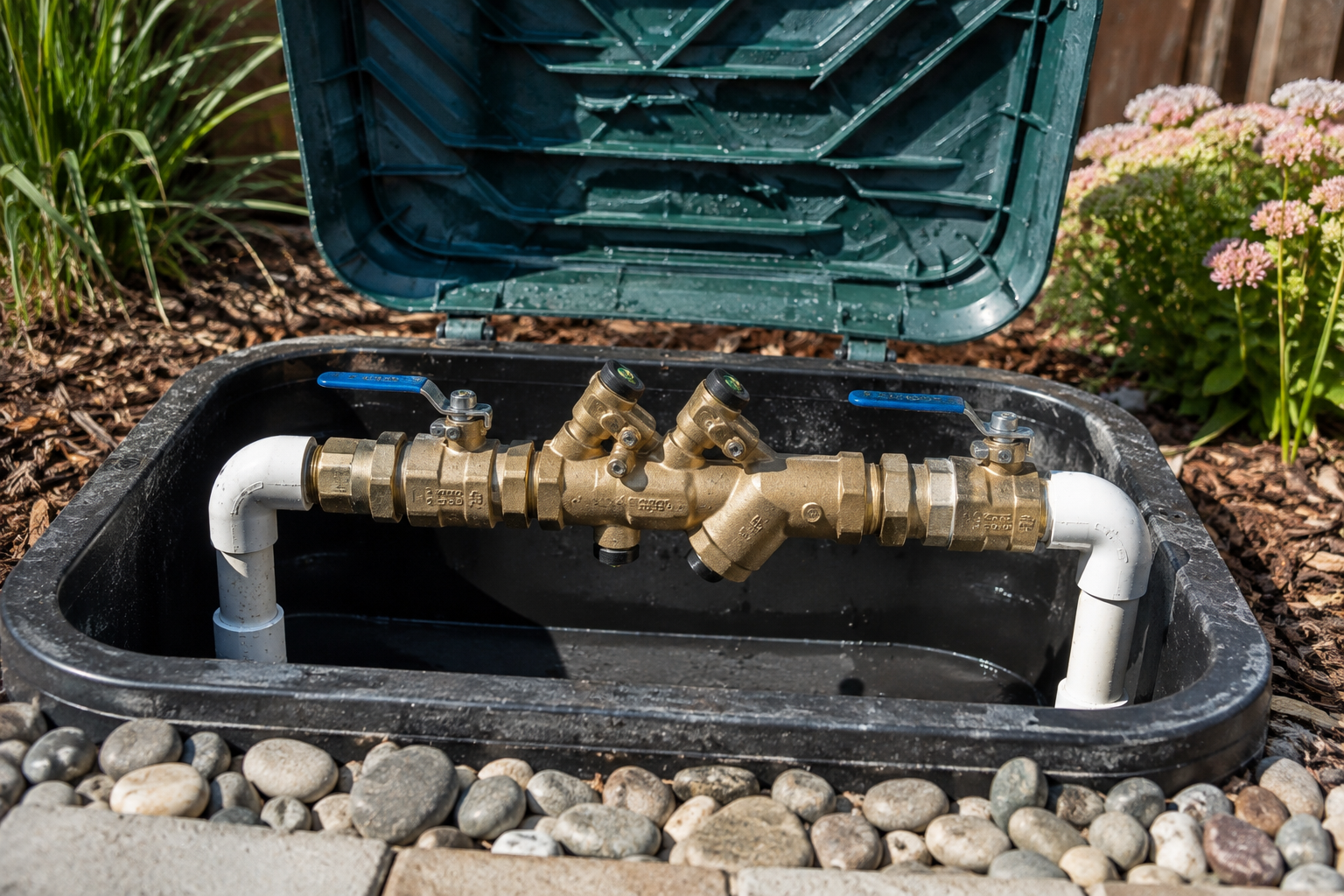
SAFETY
Backflow Prevention Service
Assemblies inspected, serviced and correctly drained so the device that keeps irrigation water out of your drinking supply is actually working. It is also the single most freeze-sensitive component on any system.
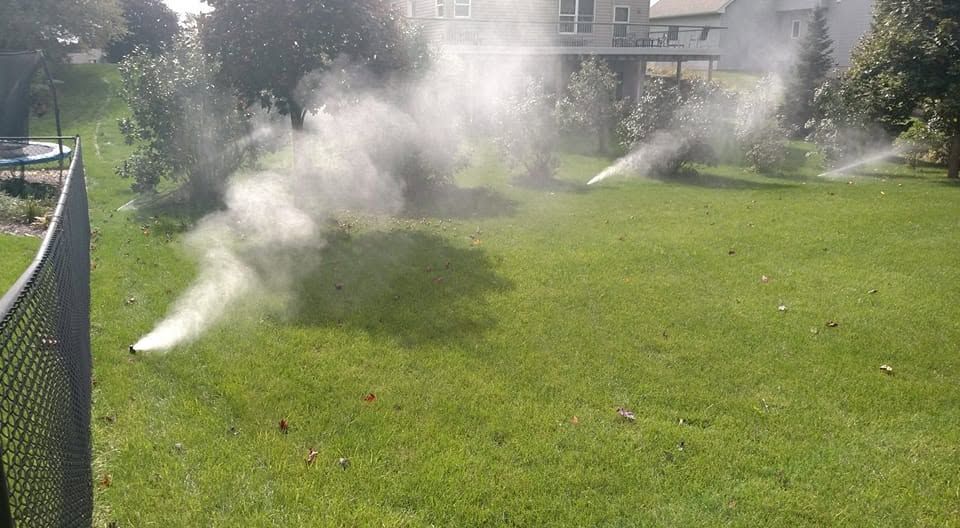
SHUT DOWN
Fall Blowouts
Every zone purged with compressed air at safe pressure, the backflow drained, and the controller shut down properly. Scheduled through October and early November so nothing is left holding water when the ground locks up.
WAKE UP
Spring Startups
System pressurized slowly, every head checked and adjusted, nozzles cleared, coverage verified zone by zone and the controller reprogrammed for the season. Winter damage gets found in April rather than during the first dry spell.
➜ Common Questions
FREQUENTLY ASKED QUESTIONS.
The questions we hear most about running and protecting an irrigation system this far north. Anything else you want to know can come through our contact page.
When should I blow out my sprinkler system in Minnesota?
Any time from early October through the first week of November, and before the first hard overnight freeze rather than after it. Waiting for convenience is how systems crack, since one cold night is genuinely enough to split a line.
Can I just drain my system instead of blowing it out?
Not reliably. Gravity drains leave water trapped in low spots, sagging laterals and the backflow assembly, and that trapped water is exactly what splits pipe. Compressed air clears the low points and fittings that gravity draining never reaches on its own.
How deep are irrigation lines buried in this area?
Typically 8 to 12 inches, deep enough to sit below aeration tines and normal digging but nowhere near the frost line. That is precisely why blowing the system out every fall is not optional anywhere in this part of the state.
Why is only one sprinkler zone not working?
A single dead zone usually means a failed solenoid, a broken wire to that valve, or a valve stuck closed from debris. Coverage problems showing up across every zone point instead to pressure, supply or the controller itself.
How long should each sprinkler zone run?
Long enough to deliver about an inch across the week, split into one or two cycles rather than daily runs. Sandy soil needs shorter, more frequent cycles, while heavy clay needs longer runs with real soak time in between them.
Do smart irrigation controllers actually save water?
Yes, meaningfully, because they skip cycles based on rainfall and adjust seasonally instead of running a fixed spring program into September. Most retrofits end up paying for themselves through reduced usage within a couple of watering seasons alone.
What does a backflow preventer do?
It stops irrigation water, along with anything in the soil, from being siphoned back into the potable supply. Complete Yard Care Company services these assemblies throughout Sauk Rapids, MN as a standard part of every seasonal shutdown and spring startup.
Can you add zones to an existing sprinkler system?
Usually yes, provided the existing water supply and controller have capacity left. We check available pressure and flow first, since adding heads to a zone that is already stretched thin simply weakens the coverage everywhere else on it.
➜ HOW WE WORK
FROM WATER SUPPLY TO FINAL WALKTHROUGH, HERE IS HOW.
STEP 01
Measure Pressure And Flow
Everything starts at the source. Available pressure and flow rate determine how many heads can share a zone, and designing without that number is how systems end up chronically underperforming from day one.
STEP 02
Lay Out Zones On Paper
Turf, beds, sun and shade get separated into zones that can be scheduled independently. Head spacing gets drawn out for full head-to-head coverage before anyone puts a trencher anywhere in the ground.
STEP 03
Locate Utilities And Trench
Gopher State One Call marks the site before we dig. Lines get trenched at proper depth, valve boxes get set where they can actually be reached, and wire runs get labeled for future service.
STEP 04
Set Heads And Tune Nozzles
Heads go in flush with grade so mowers pass over them, then every arc and radius gets adjusted so water lands on plants rather than on the driveway, the siding or the sidewalk.
STEP 05
Program For Your Soil
Run times get built around what your ground can absorb without runoff, with cycle and soak splits where needed. Sandy lots and clay lots leave here with genuinely different programs loaded into the controller.
STEP 06
Walk It And Set The Calendar
We run every zone with you watching, explain the controller, and book the fall blowout before we leave. Seasonal service is ultimately what decides whether the system lasts for 5 years or for 20.
➜ GET YOUR FREE ESTIMATE
TELL US ABOUT YOUR YARD, AND WE WILL PRICE THE SYSTEM, FREE.
- Pressure and flow measured on site
- Zone layout drawn before pricing
- Head-to-head coverage as standard
- Turf and beds zoned separately
- Seasonal blowout and startup priced
- A written estimate at no cost
Send the property size and whether you have a system already. We will check pressure, walk the layout, and quote installation, repairs or seasonal service with nothing at all owed for the site visit itself.
WHAT YOUR IRRIGATION QUOTE COVERS:
➜ GET YOUR FREE ESTIMATE
TELL US ABOUT YOUR YARD, AND WE WILL PRICE THE SYSTEM, FREE.
Send the property size and whether you have a system already. We will check pressure, walk the layout, and quote installation, repairs or seasonal service with nothing at all owed for the site visit itself.
WHAT YOUR IRRIGATION QUOTE COVERS:
- Pressure and flow measured on site
- Zone layout drawn before pricing
- Head-to-head coverage as standard
- Turf and beds zoned separately
- Seasonal blowout and startup priced
- A written estimate at no cost